


Press Release

Official websites use .gov
A .gov website belongs to an official government organization in the United States.

Secure .gov websites use HTTPS
A lock (
) or https:// means you’ve safely connected to the .gov website. Share sensitive information only on official, secure websites.

The Environmental Quality Incentives Program (EQIP) provides financial and technical assistance to Rhode Island farmers, woodland owners, oyster growers, livestock producers, and urban growers to address natural resource concerns in the Ocean State.
When you apply for EQIP, your application may be selected for funding based on the type of conservation project being proposed. Applications will be selected in ranking order based on how well they address national, state, and local priorities, until funds are exhausted.
The Environmental Quality Incentives Program (EQIP) provides financial and technical assistance to farmers to address natural resource concerns and deliver environmental benefits like improved water and air quality, conserved ground and surface water, increased soil health, reduced soil erosion and sedimentation, and improved or created wildlife habitat. Funding pools will be broken up by categories shown below to include a category for each district (location) as follows: Northern (Providence County), Eastern (Bristol & Newport counties) and Southern (Washington & Kent counties). Each district will have a unique set of programmatic ranking questions based on the local working group’s goals and feedback that was received in that county.

EQIP funding categories in fiscal year 2026 will include:
For fiscal year 2026, NRCS is prioritizing funding to help farmers and forest landowners improve their operations' resiliency and productivity.
The following document is state-specific ranking criteria for fiscal year 2026.

NRCS is working with Ocean State aquaculturists to help restore oyster reefs and improve water quality and habitat in Rhode Island fisheries through the Aquaculture Initiative.
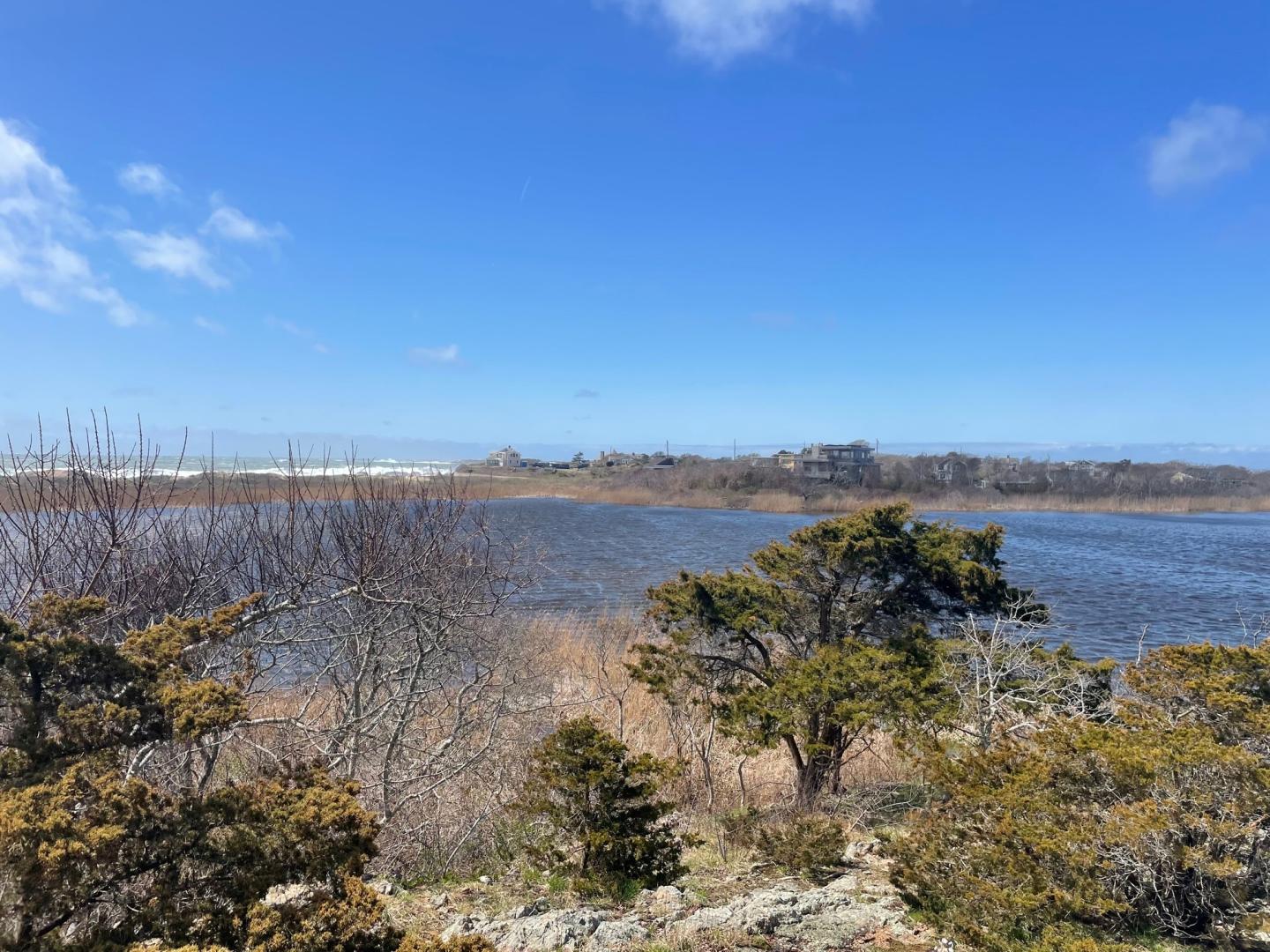
Farmers in the Sakonnet River watershed in Eastern RI, three watersheds contributing to the Scituate Reservoir, and the Tomaquag Brook-Pawcatuck River watershed in Southern RI can apply for funding to address water quality issues through the EQIP National Water Quality Initiative.

Rhode Island uses a nationally approved Workload Prioritization Tool (WPT) to help organize and manage the order in which program applications are processed. The WPT provides a standardized, transparent method for identifying which applications should be worked on first, allowing staff to focus effort where it is most needed. Learn more about the Workload Prioritization Tool
Contact your local service center to start your application.
Do you farm or ranch and want to make improvements to the land that you own or lease?
Natural Resources Conservation Service offers technical and financial assistance to help farmers, ranchers and forest landowners.
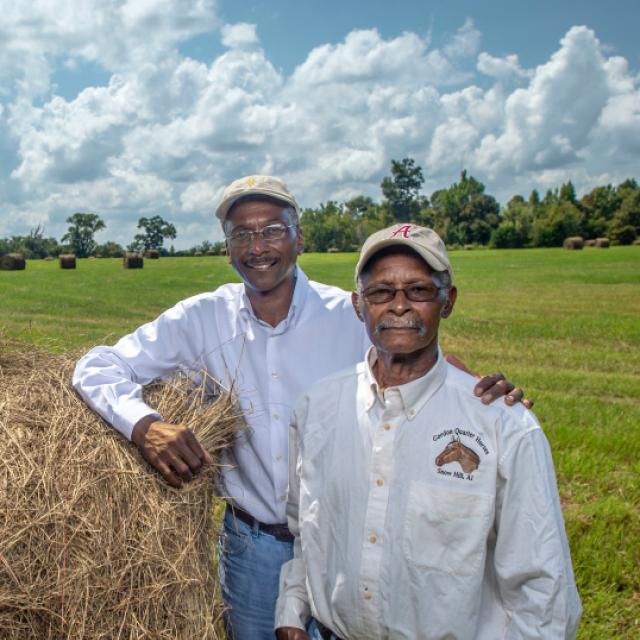
To get started with NRCS, we recommend you stop by your local NRCS field office. We’ll discuss your vision for your land.
NRCS provides landowners with free technical assistance, or advice, for their land. Common technical assistance includes: resource assessment, practice design and resource monitoring. Your conservation planner will help you determine if financial assistance is right for you.
We’ll walk you through the application process. To get started on applying for financial assistance, we’ll work with you:
Once complete, we’ll work with you on the application, or CPA 1200.
Applications for most programs are accepted on a continuous basis, but they’re considered for funding in different ranking periods. Be sure to ask your local NRCS district conservationist about the deadline for the ranking period to ensure you turn in your application in time.
As part of the application process, we’ll check to see if you are eligible. To do this, you’ll need to bring:
If you don’t have a farm number, you can get one from USDA’s Farm Service Agency. Typically, the local FSA office is located in the same building as the local NRCS office. You only need a farm number if you’re interested in financial assistance.
NRCS will take a look at the applications and rank them according to local resource concerns, the amount of conservation benefits the work will provide and the needs of applicants. View Application Ranking Dates by State.
If you’re selected, you can choose whether to sign the contract for the work to be done.
Once you sign the contract, you’ll be provided standards and specifications for completing the practice or practices, and then you will have a specified amount of time to implement. Once the work is implemented and inspected, you’ll be paid the rate of compensation for the work if it meets NRCS standards and specifications.

