


Press Release

Official websites use .gov
A .gov website belongs to an official government organization in the United States.

Secure .gov websites use HTTPS
A lock (
) or https:// means you’ve safely connected to the .gov website. Share sensitive information only on official, secure websites.

The Regional Conservation Partnership Program (RCPP) is a partner-driven approach to conservation that funds solutions to natural resource challenges on agricultural land.

By leveraging collective resources and collaborating on common goals, RCPP demonstrates the power of public-private partnerships in delivering results for agriculture and conservation.
RCPP projects fall under two different categories: RCPP Classic and RCPP Alternative Funding Arrangements (AFAs). RCPP Classic projects are implemented using NRCS contracts and easements with producers, landowners and communities, in collaboration with project partners. Through RCPP AFAs, NRCS provides funding to partners to support conservation activities with eligible producers and landowners on eligible land. RCPP AFA funding reimburses partners for conservation activities done for or on behalf of producers, landowners, or other entities.
1. Impact—RCPP applications must propose effective and compelling solutions that address one or more natural resource priorities to help solve natural resource challenges. Partners are responsible for evaluating a project’s impact and results.
2. Partner Contributions—Partners are responsible for identifying any combination of cash and in-kind value-added contributions to leverage NRCS’s RCPP investments. It is NRCS’s goal that partner contributions at least equal the NRCS investment in an RCPP project. Substantive partner contributions are given priority consideration as part of the RCPP application evaluation criteria.
3. Partnerships and Management—Partners must have experience, expertise, and capacity to manage the partnership and project, provide outreach to producers, and quantify the environmental outcomes of an RCPP project. RCPP ranking criteria give preference to applicants that meaningfully engage historically underserved farmers and ranchers.
See the 2020-2022 awarded projects
RCPP projects may include a range of on-the-ground conservation activities implemented by farmers, ranchers and forest landowners. These activities include:
A single RCPP project application can propose to employ any combination of these eligible activity types as part of an RCPP project.
For more information on RCPP easements, visit the RCPP easement page.
RCPP funding is divided evenly among two funding pools:
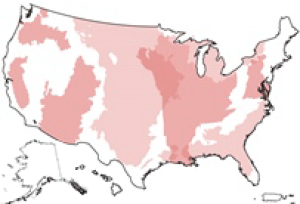
Critical Conservation Areas
For projects in eight geographic areas chosen by the Secretary of Agriculture. These receive 50 percent of funding. Learn more about RCPP Critical Conservation Areas.
State/Multistate
For projects in a single state or across several states. These receive 50 percent of funding.
Eligible organizations interested in partnering with NRCS on conservation projects can develop applications for the RCPP competition. The lead partner for an RCPP project is the entity that submits an application, and if selected for an award is ultimately responsible for collaborating with NRCS to successfully complete an RCPP project.
See here for details about what types of organizations are eligible to apply.
Once NRCS selects a project and executes an RCPP agreement with a lead partner, agricultural producers may participate in an RCPP project in one of two ways. First, producers may engage with project partners and delegate a willing partner to act as their representative in working with NRCS. Second, producers seeking to carry out conservation activities consistent with a RCPP project in the project’s geographic area can apply directly to NRCS.
RCPP projects must be carried out on agricultural or nonindustrial private forest land or associated land on which NRCS determines an eligible activity would help achieve conservation benefits (i.e., improved condition of natural resources resulting from implementation of conservation activities).
Eligible conservation activities may be implemented on public lands when those activities will benefit eligible lands as determined by NRCS and are included in the scope of an approved RCPP project.
USDA General Terms and Conditions
Current USDA General Terms and Conditions for Mutual Interest Agreements
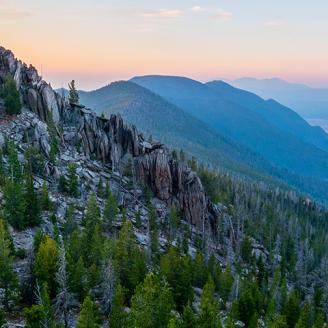
Potential partners are invited to propose RCPP projects where NRCS and partners co-invest in impactful and innovative solutions to on-farm, watershed, and regional natural resource concerns.

Resources to help awarded partners negotiate an RCPP Programmatic Partnership Agreement, Supplemental Agreements, and how to work with NRCS to implement conservation activities on the ground.

RCPP projects are making an impact across the country.
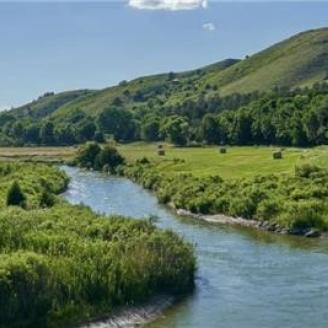
Conservation easements protect working agricultural lands, limit nonagricultural uses, and facilitate the restoration and enhancement of wetlands, grasslands, forestlands, and other natural resources.
NRCS announced that the RI Statewide Natural Systems Demonstration RCPP Project accepted applications for fiscal year 2026 funding through February 27, 2026. This demonstration project has two focus areas:
All interested parties should please submit applications before the February 27, 2026, ranking cutoff.
NRCS announced that the RI Forest Health Works RCPP Project accepted applications for funding for fiscal year 2026 through December 19, 2025. This year project partners will be funding:
All interested parties should please submit applications before the December 19, 2025, ranking cutoff.

Project partners will use $3.9M in 2021 RCPP funding to permanently protect over 1,300 acres of critical, privately owned forest lands to combat fragmentation and improve wildlife habitat. Targeting tools will prioritize critical lands and conservation easements will be coupled with forest management plans and funding for forest restoration and enhancement activities.

The RI State Conservation Committee (RISCC) and partners are developing and implementing a suite of innovative natural systems-based conservation practices in three separate landscapes that represent coastal, inland and agricultural focused watersheds.
The following document is state-specific ranking criteria for fiscal year 2026.
RCPP applications received by NRCS are prioritized based on specific ranking questions. The FY 2026 ranking questions for RCPP in Rhode Island will be published on this site at the earliest date possible.
Contact your local service center to start your application.
Do you farm or ranch and want to make improvements to the land that you own or lease?
Natural Resources Conservation Service offers technical and financial assistance to help farmers, ranchers and forest landowners.
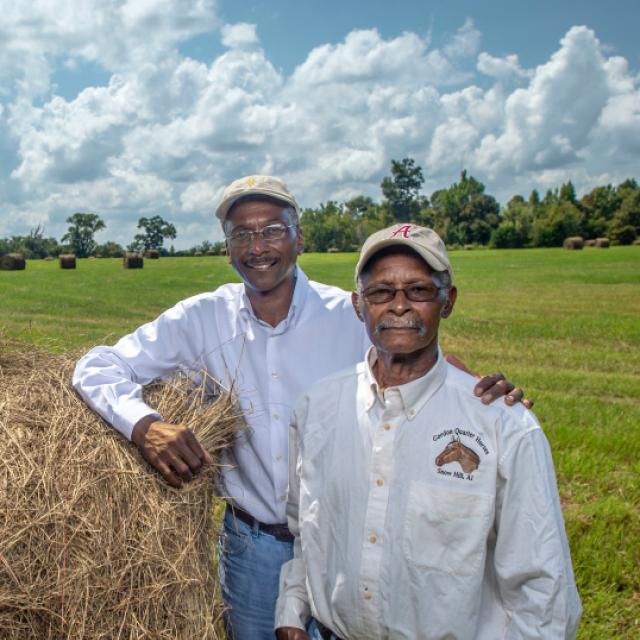
To get started with NRCS, we recommend you stop by your local NRCS field office. We’ll discuss your vision for your land.
NRCS provides landowners with free technical assistance, or advice, for their land. Common technical assistance includes: resource assessment, practice design and resource monitoring. Your conservation planner will help you determine if financial assistance is right for you.
We’ll walk you through the application process. To get started on applying for financial assistance, we’ll work with you:
Once complete, we’ll work with you on the application, or CPA 1200.
Applications for most programs are accepted on a continuous basis, but they’re considered for funding in different ranking periods. Be sure to ask your local NRCS district conservationist about the deadline for the ranking period to ensure you turn in your application in time.
As part of the application process, we’ll check to see if you are eligible. To do this, you’ll need to bring:
If you don’t have a farm number, you can get one from USDA’s Farm Service Agency. Typically, the local FSA office is located in the same building as the local NRCS office. You only need a farm number if you’re interested in financial assistance.
NRCS will take a look at the applications and rank them according to local resource concerns, the amount of conservation benefits the work will provide and the needs of applicants. View Application Ranking Dates by State.
If you’re selected, you can choose whether to sign the contract for the work to be done.
Once you sign the contract, you’ll be provided standards and specifications for completing the practice or practices, and then you will have a specified amount of time to implement. Once the work is implemented and inspected, you’ll be paid the rate of compensation for the work if it meets NRCS standards and specifications.
