


State EQIP Initiatives
Sage Grouse Initiative (SGI)
NRCS developed the Sage-grouse Initiative to help private landowners voluntarily conserve sage-grouse populations and habitat on their working lands. In Washington, NRCS identified potential threats to sage grouse and their habitat and determined specific conservation practices to reduce those threats. Technical and financial assistance through EQIP is available for implementing the specific practices.
CNMP Initiative
NRCS assists private landowners with the implementation of their previously developed Comprehensive Nutrient Management Plan (CNMP)
Statewide Irrigation
NRCS assists private landowners with implementation of irrigation conservation practices that improve watering efficiency.
Statewide Tribal Local Working Group
NRCS assists Tribes with the implementation of conservation practices for identified Plant/Animal/Aquatic species of cultural importance to each Tribe.
Program Contact
Joyce Trevithick, Program Liaison
Natural Resources Conservation Service
Phone:509-717-3260
Email: joyce.trevithick@usda.gov
Ready to get started?
Contact your local service center to start your application.
How to Get Assistance
Do you farm or ranch and want to make improvements to the land that you own or lease?
Natural Resources Conservation Service offers technical and financial assistance to help farmers, ranchers and forest landowners.
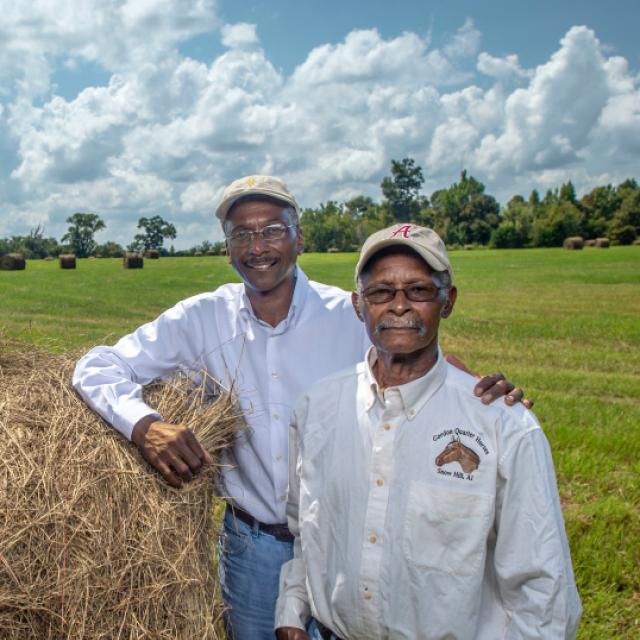
To get started with NRCS, we recommend you stop by your local NRCS field office. We’ll discuss your vision for your land.
NRCS provides landowners with free technical assistance, or advice, for their land. Common technical assistance includes: resource assessment, practice design and resource monitoring. Your conservation planner will help you determine if financial assistance is right for you.
We’ll walk you through the application process. To get started on applying for financial assistance, we’ll work with you:
- To fill out an AD 1026, which ensures a conservation plan is in place before lands with highly erodible soils are farmed. It also ensures that identified wetland areas are protected.
- To meet other eligibility certifications.
Once complete, we’ll work with you on the application, or CPA 1200.
Applications for most programs are accepted on a continuous basis, but they’re considered for funding in different ranking periods. Be sure to ask your local NRCS district conservationist about the deadline for the ranking period to ensure you turn in your application in time.
As part of the application process, we’ll check to see if you are eligible. To do this, you’ll need to bring:
- An official tax ID (Social Security number or an employer ID)
- A property deed or lease agreement to show you have control of the property; and
- A farm number.
If you don’t have a farm number, you can get one from USDA’s Farm Service Agency. Typically, the local FSA office is located in the same building as the local NRCS office. You only need a farm number if you’re interested in financial assistance.
NRCS will take a look at the applications and rank them according to local resource concerns, the amount of conservation benefits the work will provide and the needs of applicants. View Application Ranking Dates by State.
If you’re selected, you can choose whether to sign the contract for the work to be done.
Once you sign the contract, you’ll be provided standards and specifications for completing the practice or practices, and then you will have a specified amount of time to implement. Once the work is implemented and inspected, you’ll be paid the rate of compensation for the work if it meets NRCS standards and specifications.