Press Release

Official websites use .gov
A .gov website belongs to an official government organization in the United States.

Secure .gov websites use HTTPS
A lock (
) or https:// means you’ve safely connected to the .gov website. Share sensitive information only on official, secure websites.
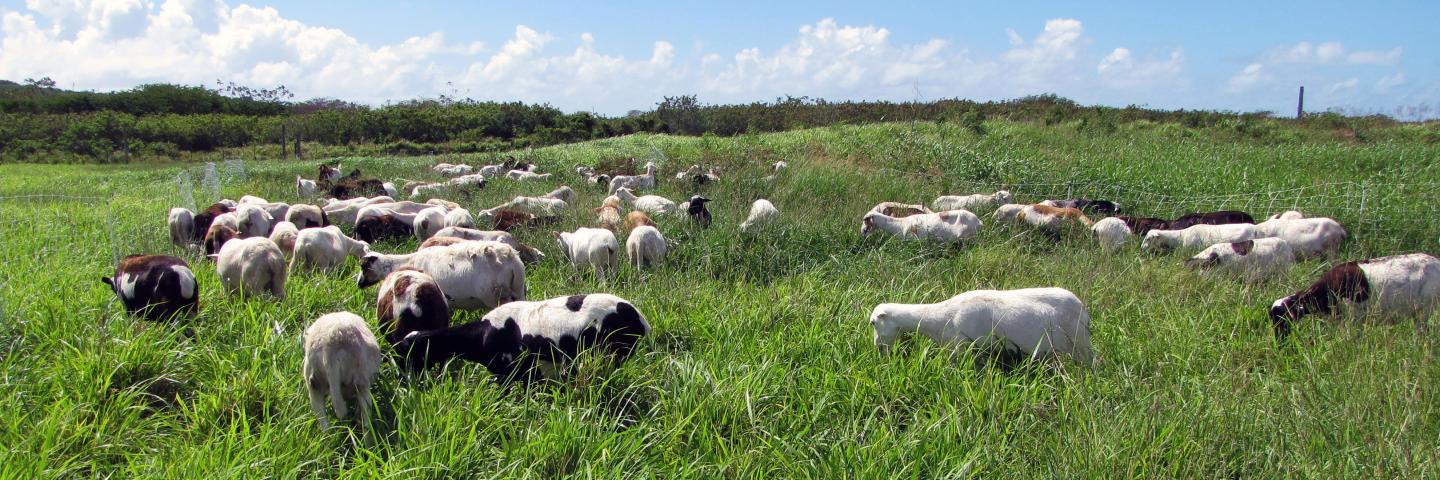
CSP is a voluntary program that helps farmers build on conservation efforts while strengthening operations.
Below are the FY 2026 CSP Ranking Pool Reports for the Agricultural Land and Nonindustrial Private Forestland (NIPF) funding pools with the questions used to rank applications:
Whether you are looking to improve grazing conditions, increase crop yields, or develop wildlife habitat, we can custom design a CSP plan to help you meet those goals. We can help you schedule timely planting of cover crops, develop a grazing plan that will improve your forage base, implement no-till to reduce erosion, or manage forested areas in a way that benefits wildlife habitat. If you are already taking steps to improve the condition of your land, CSP can help you find new ways to meet your goals.

CSP applications are accepted year-round, however, NRCS sets application “cut-off” or submission deadlines to evaluate, rank and approve eligible applications. The following are the cut-off dates for fiscal year 2026:
CSP is for working lands. It is the largest conservation program in the United States with 70 million acres of productive agricultural and forest land enrolled in CSP. Thousands of people that have made the choice to voluntarily enroll in the program because it helps them enhance natural resources and improve their business operation.

Nuestro Programa de Administración de la Conservación (CSP, por sus siglas en inglés) es un programa voluntario que ayuda a los agricultores a aprovechar sus esfuerzos de conservación existentes mientras fortalece sus operaciones. Ya sea que esté buscando mejorar las condiciones de pastoreo, aumentar el rendimiento de las cosechas o desarrollar un hábitat de vida silvestre, podemos diseñar un plan de CSP a la medida para ayudarlo a alcanzar esos objetivos. Podemos ayudarlo a programar la siembra adecuada de cultivos de cobertura, desarrollar un plan de pastoreo que mejore su base de forraje, implementar la siembra directa para reducir la erosión o administrar áreas boscosas de una manera que beneficie el hábitat de la vida silvestre. Si ya está tomando medidas para mejorar la condición de su terreno, CSP puede ayudarlo a encontrar nuevas formas de alcanzar sus objetivos.
CSP es para tierras finca en general. Es el programa de conservación más grande de los Estados Unidos con 70 millones de acres de tierras agrícolas y forestales productivas inscritas en CSP. Miles de personas han elegido inscribirse voluntariamente en el programa porque les ayuda a mejorar sus recursos naturales y sus operaciones comerciales.
A través de CSP, podemos ayudarlo a desarrollar su negocio mientras implementa prácticas de conservación que ayudan a garantizar la sostenibilidad de toda su operación. Una buena administración de la tierra no solo conserva los recursos naturales de su finca, sino que también brinda múltiples beneficios a las comunidades locales, que incluyen una mejor calidad del agua y el aire y el hábitat de la vida silvestre, así como también alimentos saludables.
En el año fiscal 2024, 66 agricultores del Caribe se registraron más de 5,600 acres de tierras agrícolas bajo el CSP por más de $1,800,000.
La Ley Agrícola de 2018 autoriza a NRCS a aceptar nuevas inscripciones de CSP desde ahora hasta 2023, y hace algunas mejoras importantes al programa. Estas actualizaciones incluyen:
La mayoría de los productores agrícolas que participan en CSP ya han estado implementando prácticas de conservación en sus tierras. CSP ofrece mejoras para esas prácticas. Por ejemplo, si ha estado practicando un plan de pastoreo prescrito por NRCS, CSP puede darle opciones para mejorar esa práctica con actividades tales como manejo de pastoreo para mejorar las plantas silvestres, o manejo de pastoreo para reducir la compactación del suelo o manejo de pastoreo para mejorar la función ribereña.
Las solicitudes de CSP se aceptan durante todo el año; sin embargo, NRCS establece fechas internas para evaluar, clasificar y aprobar las solicitudes elegibles. Las siguientes son fechas límite identificadas para el año fiscal 2026:
Contact your local service center to start your application.
Do you farm or ranch and want to make improvements to the land that you own or lease?
Natural Resources Conservation Service offers technical and financial assistance to help farmers, ranchers and forest landowners.
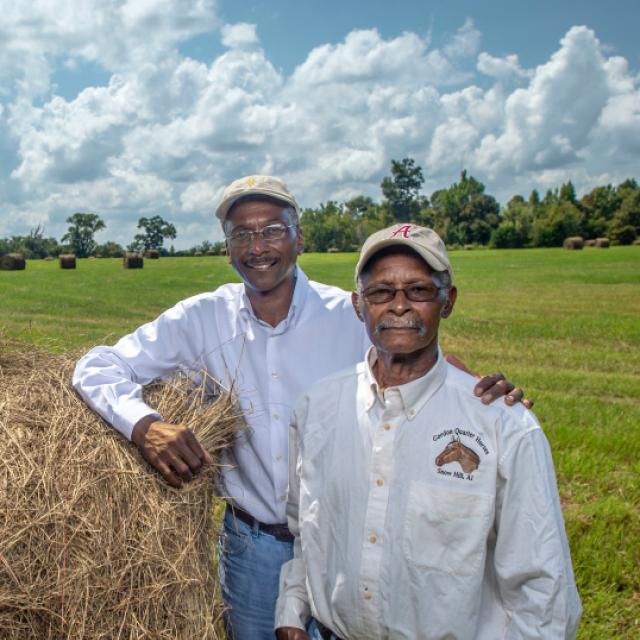
To get started with NRCS, we recommend you stop by your local NRCS field office. We’ll discuss your vision for your land.
NRCS provides landowners with free technical assistance, or advice, for their land. Common technical assistance includes: resource assessment, practice design and resource monitoring. Your conservation planner will help you determine if financial assistance is right for you.
We’ll walk you through the application process. To get started on applying for financial assistance, we’ll work with you:
Once complete, we’ll work with you on the application, or CPA 1200.
Applications for most programs are accepted on a continuous basis, but they’re considered for funding in different ranking periods. Be sure to ask your local NRCS district conservationist about the deadline for the ranking period to ensure you turn in your application in time.
As part of the application process, we’ll check to see if you are eligible. To do this, you’ll need to bring:
If you don’t have a farm number, you can get one from USDA’s Farm Service Agency. Typically, the local FSA office is located in the same building as the local NRCS office. You only need a farm number if you’re interested in financial assistance.
NRCS will take a look at the applications and rank them according to local resource concerns, the amount of conservation benefits the work will provide and the needs of applicants. View Application Ranking Dates by State.
If you’re selected, you can choose whether to sign the contract for the work to be done.
Once you sign the contract, you’ll be provided standards and specifications for completing the practice or practices, and then you will have a specified amount of time to implement. Once the work is implemented and inspected, you’ll be paid the rate of compensation for the work if it meets NRCS standards and specifications.